Beneficial Reuse for Industrial Waste Streams
Finding More Value in Materials That Would Otherwise Become Waste
Not every industrial waste stream has reached the end of its useful life when it leaves your facility.
In the right circumstances, wastewater, process residuals, off-spec products, oils, chemicals and other industrial materials may still have characteristics that make them useful somewhere else. Beneficial reuse identifies those opportunities and creates a pathway for material that might otherwise require conventional treatment or disposal.
Valicor works with industrial customers to evaluate waste streams, identify potential reuse opportunities and determine whether materials can be safely and appropriately incorporated into another process.
Have a waste stream that may have reuse potential? Talk with Valicor about your options.
What Is Beneficial Reuse?
Beneficial reuse is the use of a material that would otherwise be managed as waste for a legitimate and useful purpose.
Depending on the material, this could mean recovering a usable component, using one industrial stream as an input into another process, reclaiming oil or fuel value, or finding an application for a chemical that still retains useful properties.
The specific opportunity is different for every waste stream. Concentration, chemistry, contamination, volume, consistency, geography and regulatory requirements can all determine whether reuse is practical.
That is why beneficial reuse often begins with a simple question:
Before we treat or dispose of this material, is there something useful we can still do with it?

Industrial Materials That May Have Beneficial Reuse Potential
There is no single list of materials that always qualify for beneficial reuse. Every stream needs to be evaluated individually.
Depending on its composition and condition, potential candidates can include:
- Acids and caustic solutions
- Off-spec or excess chemicals
- Used oils and oily materials
- Wastewater containing recoverable components
- Organic-rich industrial wastewater
- Fuel-bearing liquids
- Process byproducts
- Certain rinse waters and wash waters
- Materials generated during manufacturing changes, cleanouts or shutdowns
- Other industrial liquids that retain useful chemical or physical properties
Some materials may be suitable for direct reuse, while others may require treatment, separation, blending or additional processing before they can serve another purpose.
A Network Can Create More Options
One of the biggest challenges with beneficial reuse is that the generator and the potential end use are rarely located in the same place.
A facility may have a consistent stream of material with remaining value but no practical use for it onsite. Somewhere else, another treatment process or industrial operation may routinely need a material with similar characteristics.
Connecting those two sides of the equation requires more than finding the nearest disposal facility.
Valicor’s network of treatment facilities, transportation resources and industrial relationships allows us to evaluate waste streams across a broader system. In some cases, a material that has little value at the location where it is generated may have useful chemical, energy or process value somewhere else.
That broader network approach can create options that may not be apparent when a waste stream is evaluated only as a disposal problem.
How Valicor Evaluates Beneficial Reuse Opportunities
1. Understand the Waste Stream
We start with the material itself.
What generated it? What is in it? How concentrated is it? Is the composition consistent? How much material is produced and how frequently?
Existing analytical data, SDS information, process knowledge and additional testing can help establish whether a reuse opportunity is realistic.
2. Identify Potential Uses
Once the material is understood, Valicor can evaluate whether its characteristics could serve a useful purpose elsewhere.
That may include use within wastewater treatment, recovery of oil or fuel value, use as an industrial process input, or another appropriate application.
3. Confirm the Material Is Appropriate
Beneficial reuse is not simply finding someone willing to accept a material.
The proposed use must make technical, operational and regulatory sense. Material specifications, contaminants, consistency and applicable requirements all have to be considered before establishing a reuse program.
4. Build the Logistics
A reuse option is only valuable if it works operationally.
Valicor can coordinate transportation, receiving schedules and ongoing material management to help create a dependable program rather than a one-time outlet.
5. Monitor the Program
Industrial processes change.
A waste stream that is suitable for beneficial reuse today may change as production, raw materials or chemical concentrations change. Ongoing profiling and communication help ensure the material continues to meet the requirements of its intended use.
See Beneficial Reuse in Action
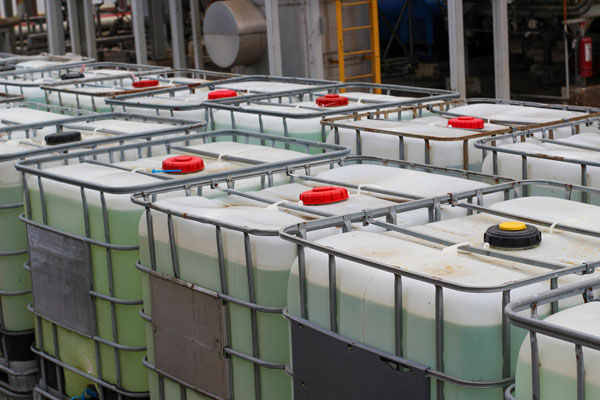
Spent sodium hydroxide from industrial die-cleaning operations still retained useful pH-adjustment properties. Valicor identified a beneficial reuse pathway that puts the material to work within the wastewater treatment process.
See how three recent programs represent approximately 1.3 million gallons annually of spent caustic being managed through this approach.
Beneficial Reuse Does Not Mean Every Waste Stream Can Be Reused
Beneficial reuse can be an attractive option, but it is not appropriate for every material.
A stream may be unsuitable because of contamination, inconsistent chemistry, regulatory restrictions, transportation distance, limited end-use demand or the economics of processing the material.
In those situations, traditional wastewater treatment, recycling, recovery or other management options may make more sense.
Valicor’s goal is not to force every waste stream into a reuse program. It is to evaluate the available options and determine which management approach makes the most sense for the material.
Why Companies Explore Beneficial Reuse
For industrial facilities, beneficial reuse can provide advantages beyond simply finding another outlet for waste.
Reduce Reliance on Virgin Materials
When a recovered or reusable material can replace a newly manufactured input, it may reduce the amount of virgin material that needs to be produced, transported and purchased.
Create More Sustainable Waste Management Programs
Beneficial reuse can help move material away from disposal and toward productive use when a legitimate reuse pathway exists.
Develop Additional Outlets
Industrial facilities benefit from having multiple viable management options for important waste streams, particularly when volumes fluctuate or existing outlets become constrained.
Improve Resource Efficiency
Materials that still contain useful chemical, energy or process value may be able to contribute to another operation rather than being treated solely as waste.
Support Long-Term Waste Strategy
Understanding which streams have reuse potential can help facilities think differently about segregation, storage and material management upstream.
Keeping potentially reusable materials separate from incompatible waste streams may preserve options that would otherwise be lost.

Separation Can Make the Difference
One of the most important factors in beneficial reuse often occurs before the material ever leaves the generator’s facility.
Once several waste streams are combined, recovering value from any individual component can become considerably more difficult.
A relatively clean chemical solution may have potential for reuse on its own. Mix it with oily wastewater, metals, solvents or other contaminants, and that opportunity may disappear.
Facilities evaluating beneficial reuse should consider whether potentially valuable or reusable streams can be segregated at the point of generation.
In some cases, changing how a waste stream is collected can create more management options without changing the underlying industrial process.
Beneficial Reuse Across the Valicor Network
Beneficial reuse opportunities are influenced by more than chemistry alone. Transportation distance, local treatment capabilities, available end uses and regional industrial activity can all affect whether a reuse program is practical.
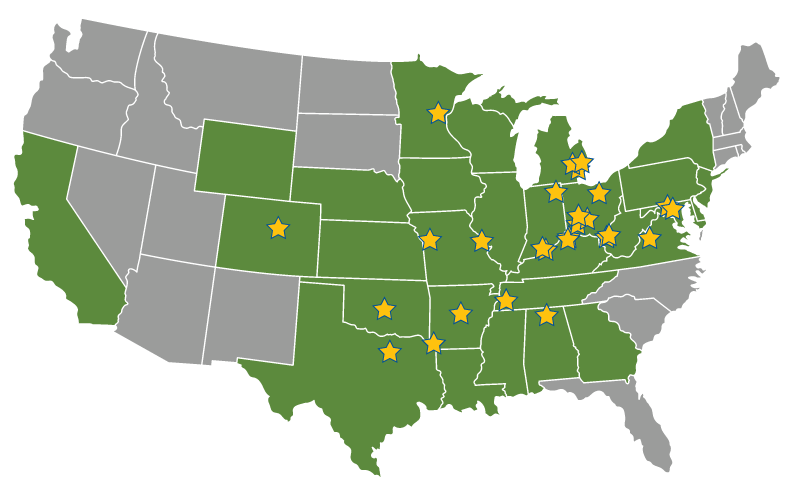
Valicor serves industrial customers through a network of treatment facilities, transportation resources and specialized service capabilities across multiple regions of the United States. That footprint allows us to evaluate materials across a broader system rather than limiting the search to the closest treatment or disposal outlet.
Texas and the South Central U.S.
Valicor supports industrial customers across Texas and surrounding South Central markets with wastewater treatment, oily wastewater management, containerized waste services, transportation and other specialized industrial waste solutions.
With facilities serving major industrial corridors in North Texas, East Texas and surrounding markets, Valicor can evaluate whether a material has potential treatment, recovery or beneficial reuse options beyond the generator’s immediate location.
This regional coverage is particularly relevant for manufacturing, chemical processing, energy, food and beverage, data center development and other industries that may generate recurring liquid waste streams, off-spec materials or process byproducts.
For customers operating multiple facilities, Valicor can also help evaluate whether similar streams across different locations can be managed through a more consistent regional program.
Kentucky, West Virginia and the Ohio Valley
The Ohio Valley is home to a wide range of manufacturing, chemical, energy and industrial operations, many of which generate complex wastewater and process residuals.
Valicor serves customers across Kentucky, West Virginia and surrounding markets through a combination of treatment facilities, transportation resources and regional support.
For beneficial reuse projects, proximity to multiple industrial markets can be important. A material generated at one facility may have limited options locally but may be suitable for treatment, recovery or productive use elsewhere within the region.
Valicor can evaluate the material, logistics and available outlets together to determine whether a broader regional solution makes sense.
Alabama and the Southeast
Valicor continues to expand its capabilities across Alabama and the Southeast, supporting industrial customers with wastewater treatment, oily wastewater, organics management, solidification, transportation and related services.
The Southeast includes a growing base of automotive manufacturing, metals, chemicals, food and beverage, distribution and other industrial operations that generate a wide range of liquid and solid waste streams.
For materials with beneficial reuse potential, having access to multiple capabilities and industrial markets can create more options than a single local disposal outlet.
Valicor’s presence in the Birmingham area and broader Southeast allows us to evaluate recurring industrial streams as part of a larger regional management strategy.
Ohio and the Midwest
Valicor has a significant presence across Ohio and the broader Midwest, serving industrial customers in some of the country’s most active manufacturing markets.
The region includes automotive, metals, chemicals, food and beverage, general manufacturing and other industries that can generate wastewater, oily materials, process chemicals and reusable industrial byproducts.
Our network in Ohio and surrounding states allows Valicor to evaluate material across multiple treatment and management options rather than viewing each waste stream only through the capabilities of a single facility.
For generators with recurring or high-volume streams, that broader regional footprint can be especially valuable when identifying long-term outlets and potential beneficial reuse opportunities.
Missouri, Arkansas and the Central U.S.
Valicor serves industrial customers throughout Missouri, Arkansas and surrounding Central U.S. markets, including manufacturing, food and beverage, distribution, energy and other industrial sectors.
Waste streams in this region can vary widely, from oily wastewater and process water to containerized chemicals, organic materials and other industrial byproducts.
A regional network can provide additional flexibility when one local outlet is constrained or when a waste stream may have characteristics that make another treatment, recovery or reuse option more appropriate.
Valicor can work with generators to evaluate both the material itself and the practical logistics required to manage it across the region.
Colorado and Western Markets
Valicor also supports industrial customers in Colorado and surrounding western markets, where transportation distance and available outlets can play a particularly important role in waste management decisions.
Industrial generators in the region may produce wastewater, oily materials, process residuals, chemicals and other streams that require specialized evaluation.
Where beneficial reuse is practical, Valicor can consider the material’s chemistry alongside transportation, processing requirements and available regional outlets.
For facilities with recurring waste streams, this broader evaluation can help determine whether recovery, reuse, treatment or another management strategy provides the most practical long-term solution.
Beneficial Reuse Across Multiple Facilities
For companies operating multiple manufacturing plants, distribution centers or industrial sites, beneficial reuse opportunities do not always need to be evaluated one location at a time.
Similar waste streams may be generated at several facilities, even if the volumes at each individual location are relatively small.
Valicor can help evaluate those streams collectively to determine whether a regional or multi-site program could create better management options.
That may include standardizing profiling, consolidating transportation, identifying common outlets or helping facilities preserve potentially reusable streams through improved segregation practices.
Beneficial Reuse Is Part of a Larger Waste Strategy
Beneficial reuse should not exist in isolation from the rest of a facility’s waste program.
The best solution may involve a combination of reuse, recovery, treatment and conventional waste management depending on the material.
Valicor’s broader industrial wastewater and waste management capabilities allow us to evaluate those options together.
That means a customer does not need to know in advance whether a stream is suitable for beneficial reuse. The first step is simply understanding what the material is, how it is generated and what characteristics it has.
From there, we can help determine what options may be available.
Could Your Waste Stream Have Another Use?
Sometimes the best way to manage a waste stream is to treat it.
Sometimes it is to recover something from it.
And sometimes the material itself still has value.
If your facility generates a consistent industrial waste stream, particularly one containing oils, chemicals, organics or other potentially useful components, Valicor can help evaluate the available management options.
Tell us about your waste stream and we’ll help determine what options may be available.
Frequently Asked Questions About Beneficial Reuse
What does beneficial reuse mean?
Beneficial reuse generally refers to using a material that would otherwise be managed as waste for a legitimate and useful purpose. The specific requirements depend on the material, its proposed use and applicable regulations.
What types of industrial waste can be beneficially reused?
Potential candidates can include certain acids, caustics, oils, organic materials, off-spec products, process liquids and other industrial byproducts. Whether a material is suitable depends on its composition, contaminants, consistency and proposed end use.
Can wastewater be beneficially reused?
In some cases. Industrial wastewater may contain water, chemicals, oils, organics or other components that can potentially be recovered or reused. Other wastewater streams may be better suited for treatment and discharge.
Does beneficial reuse require laboratory testing?
Often. Analytical testing can help determine a material’s chemical characteristics, identify contaminants and confirm whether it meets the requirements of a potential reuse application.
Is beneficial reuse the same as recycling?
They are related, but they are not always the same. Recycling typically involves processing a material to recover a usable commodity. Beneficial reuse can also include using a material or its existing properties directly within another legitimate application.
Can Valicor guarantee that a waste stream can be reused?
No. Beneficial reuse depends on the characteristics of the material, available outlets, regulatory requirements, logistics and other factors. Valicor can evaluate the stream and help identify appropriate options.
Why is keeping waste streams separate important?
Combining materials can introduce contaminants or alter chemistry in ways that eliminate potential reuse opportunities. Segregating certain streams at the point of generation can preserve more treatment, recovery and reuse options.
Does Valicor provide beneficial reuse services nationwide?
Valicor serves industrial customers through a broad network of facilities and transportation resources across multiple U.S. regions. Whether a specific beneficial reuse option is available depends on the material, location, volume, logistics and available end-use opportunities.
Ready to Get Started?
Let’s design a waste management plan that keeps your operation compliant, efficient, and sustainable.
Contact Us Today
Connect with our team to request profiling, schedule service, or learn more about our nationwide capabilities.

Since 2024, Valicor has been a participant and supporter of the United Nations Global Compact, demonstrating our commitment to sustainable development.
Interested in learning more about Valicor's commitment to sustainability?
Download Our Complete 2025 Sustainability Report
Ready to Talk with Us?
Start a conversation with us today!