
Managing Changing Waste Streams During Data Center Commissioning in North Texas
Project Spotlight: Data Center Cooling System Wastewater
Large data center projects can generate significant volumes of wastewater before the facility ever reaches normal operation.
During construction and commissioning, cooling systems may be cleaned, flushed, filled, tested and adjusted several times. The water generated during those activities can change considerably from one stage of the project to the next, creating both treatment and transportation challenges.
On a recent data center project in the Dallas-Fort Worth area, Valicor supported the management of wastewater generated during cooling-system cleaning, flushing and chiller operations.
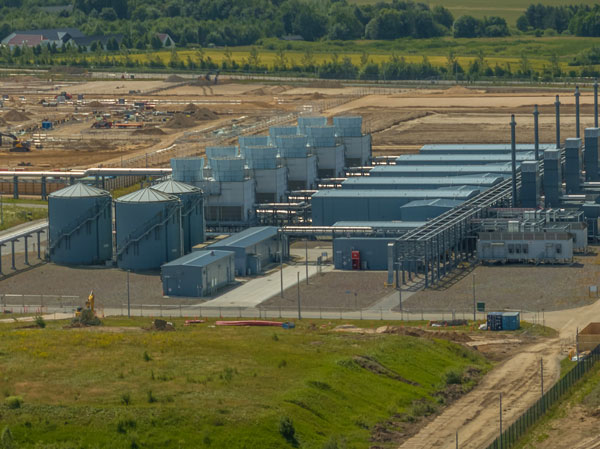
The Project
The work centered on wastewater generated during construction and commissioning of a large data center cooling system.
While much of the overall volume consisted of chiller and cooling-system water, the characteristics of the wastewater changed as the project progressed.
Early-stage line cleaning generated a smaller volume of more complex wastewater. Later phases generated substantially larger quantities of chiller water as the cooling system moved through commissioning and startup.
This distinction mattered because the treatment needs of the first flush were not necessarily the same as the treatment needs of the larger volumes that followed.
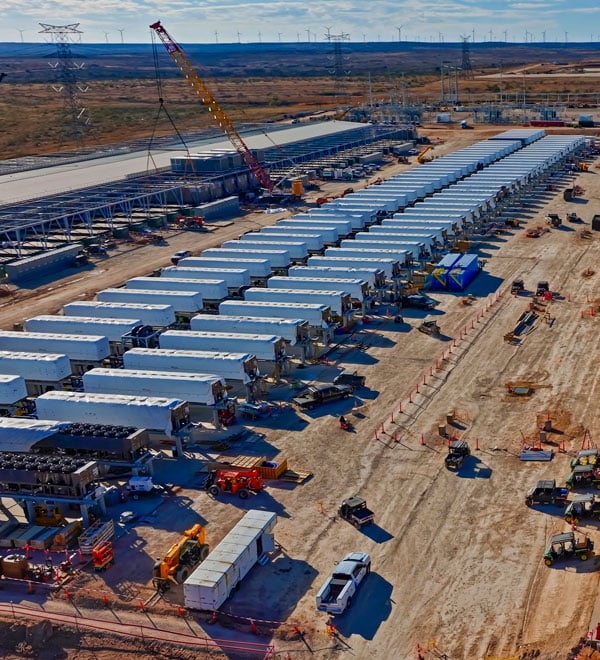
Initial Line Cleaning
Before a new cooling system enters service, piping and mechanical equipment may need to be cleaned and flushed to remove material left behind during fabrication and installation.
On this project, the initial line-cleaning wastewater contained low concentrations of glycol along with corrosion inhibitor used during system preparation.
Because the water had circulated through newly installed piping and equipment, metals were also a potential consideration within the waste stream.
The initial cleaning phase represented a smaller portion of the overall project volume, but the chemistry required closer evaluation than the larger-volume water generated later in the project.
Potential constituents included:
- Approximately 1% glycol in portions of the wastewater
- Corrosion inhibitor
- Metals associated with contact with piping and mechanical systems
- Suspended solids and other material removed during line cleaning
Waste characterization helped determine an appropriate treatment pathway before the material was received.
High-Volume Chiller Water
Once initial cleaning activities progressed, the project began generating a much larger volume of chiller and cooling-system water.
While this water was generally less complex than the early cleaning stream, the volume created a different challenge.
Wastewater was transported from the project in approximately 5,000-gallon loads and delivered for treatment.
With a project of this size, the work represents many individual tanker loads moving between the jobsite and the receiving treatment facility.
For large data center construction projects, that transportation component can become just as important as the treatment process itself.
Coordinating available transportation, treatment capacity and project timing helps prevent wastewater storage or removal from becoming a constraint on commissioning activities.
Treatment and Final Management
After arriving at Valicor, the wastewater was treated based on the characteristics of the incoming stream.
Treatment removes or reduces contaminants and prepares the wastewater for appropriate downstream management.
Following treatment, processed wastewater from the project was discharged to the local publicly owned treatment works in accordance with applicable facility acceptance and discharge requirements.
This approach provided the project with an offsite outlet for both the more complex initial cleaning wastewater and the larger volumes of chiller water generated later in the commissioning process.
What This Project Shows About Data Center Commissioning Wastewater
Large data center projects can create wastewater challenges that are not always obvious during early construction planning.
Wastewater Changes Throughout the Project
The first water leaving a new cooling system may be very different from the water generated several weeks later.
Initial cleaning can introduce corrosion inhibitors, metals, solids and other contaminants, while later flushing may generate much larger volumes of comparatively dilute cooling water.
Planning for those differences can help prevent surprises once commissioning begins.
Volume Quickly Becomes a Logistics Challenge
A single 5,000-gallon tanker load may be straightforward.
A large commissioning project is a different operational challenge.
Repeated loads require coordination between the jobsite, transportation resources and the receiving treatment facility. Developing that plan before peak wastewater generation begins can help keep commissioning schedules moving.
Low Glycol Concentrations Can Still Matter
Glycol concentration is only one factor when evaluating cooling-system wastewater.
Even when glycol is present at relatively low levels, other constituents such as corrosion inhibitors, metals, cleaning chemicals or suspended solids can affect how the waste should be managed.
Understanding the complete waste profile is more useful than focusing on glycol concentration alone.
Construction Wastewater Planning Should Start Early
Wastewater management is often treated as something to address once a system is ready to flush.
For large projects, it is better to establish an outlet earlier.
Knowing the anticipated volume, expected chemistry, project schedule and available onsite storage can help determine transportation needs and treatment options before wastewater begins accumulating.
Supporting Data Centers From Construction Through Operations
Commissioning wastewater is only one part of the cooling-system lifecycle.
Data centers can continue generating wastewater after startup through:
- Cooling-system maintenance
- Glycol replacement
- Closed-loop drain-downs
- Equipment changeouts
- Cooling tower blowdown
- Chiller maintenance
- System cleaning
- Emergency or off-spec wastewater events
Valicor provides transportation and wastewater treatment solutions for these streams throughout construction, commissioning and ongoing facility operation.
Our network allows us to evaluate both project-based and recurring wastewater needs and identify appropriate treatment options based on the characteristics of each waste stream.
Related Data Center Wastewater Services
Data Center Commissioning & Flushwater
Valicor supports wastewater generated during system cleaning, flushing, hydrotesting, startup and commissioning.
Learn more about Data Center Commissioning & Flushwater Services.
Glycol & Antifreeze Waste Management
Valicor manages propylene glycol, ethylene glycol, dilute glycol wastewater, off-spec coolant and cooling-system drain-down fluids.
Learn more about Glycol & Antifreeze Recycling and Waste Management.
Cooling Tower Blowdown
Valicor provides transportation and treatment solutions for cooling tower blowdown, high-TDS cooling water and cooling-system maintenance wastewater.
Learn more about Cooling Tower Blowdown Treatment & Wastewater Management.
Planning a Data Center Cooling System Flush?
Large-volume wastewater projects are easier to manage when transportation and treatment are planned before flushing begins.
Send Valicor your anticipated wastewater volume, project schedule, SDS information, analytical data or waste profile when available. Our team can help evaluate the waste stream and develop a transportation and treatment plan around your project.
Ready to Get Started?
Let’s design a waste management plan that keeps your datacenter construction operation compliant, efficient, and sustainable.
Contact Us Today
Connect with our team to request profiling, schedule service, or learn more about our nationwide capabilities.

Since 2024, Valicor has been a participant and supporter of the United Nations Global Compact, demonstrating our commitment to sustainable development.
Interested in learning more about Valicor's commitment to sustainability?
Download Our Complete 2025 Sustainability Report
Ready to Talk with Us?
Start a conversation with us today!