Creating a Beneficial Reuse Pathway for Spent Sodium Hydroxide
Project Spotlight: Beneficial Reuse of Industrial Caustic
A material can reach the end of its original use without reaching the end of its useful life.
That was the opportunity Valicor identified with several recurring sodium hydroxide waste streams generated during industrial manufacturing operations.
The material could no longer be used for its original purpose, but profiling showed that it still retained strong pH-adjustment capability and did not contain concerning levels of contaminants such as high metals.
Rather than managing the material only as a waste stream, Valicor identified an opportunity to beneficially reuse the caustic in another productive application.
The Project
Industrial manufacturing processes can generate sodium hydroxide solutions that require management once they are no longer suitable for continued use in the original process.
In this case, Valicor evaluated several recurring spent caustic streams from industrial generators to determine what options were available.
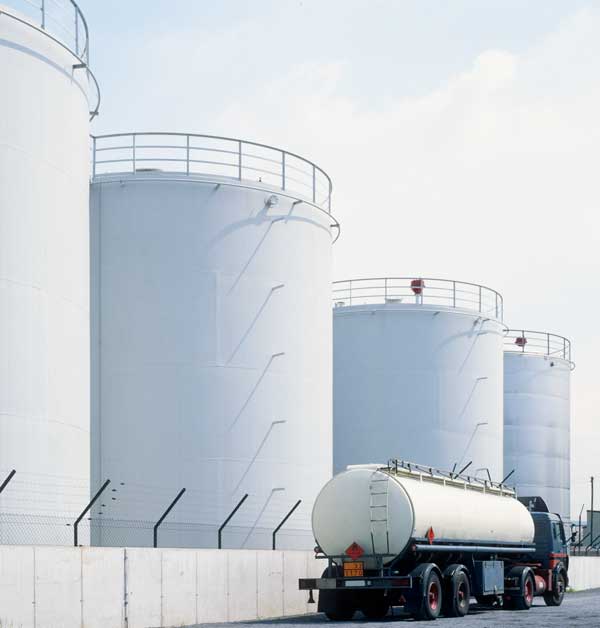
The streams were substantial and consistent:
- One program generated approximately 420,000 gallons per year, typically in two to three 3,800-gallon loads per week.
- A second generated approximately 436,000 gallons per year, typically in two 4,200-gallon loads per week.
- A third followed a similar schedule of approximately two 4,200-gallon loads per week.
Together, the three recent programs represent approximately 1.3 million gallons of spent sodium hydroxide annually.
The volume made finding a dependable long-term management pathway important, but the chemistry created another possibility.
Identifying a Beneficial Reuse Opportunity
The sodium hydroxide was no longer needed by the generator, but that did not necessarily mean its useful chemical properties were gone.
Profiling showed that the material still maintained strong pH-adjustment capability. It also did not contain concerning levels of contaminants, including high concentrations of metals, that would prevent it from being considered for the intended application.
Those characteristics made the streams candidates for beneficial reuse.
This kind of evaluation matters because spent caustic can vary considerably depending on the process that generated it. Concentration, contaminants, solids, metals and other characteristics can all affect whether another use is practical.
Rather than asking only where the material could be treated or disposed of, Valicor evaluated whether its remaining properties could still serve a legitimate purpose.
Approximately 1.3 Million Gallons Annually
The scale of these programs also demonstrates that beneficial reuse is not limited to small or occasional waste streams.
Across the three recent opportunities, Valicor is managing approximately 1.3 million gallons per year of spent sodium hydroxide through a beneficial reuse pathway.
Individual streams are being generated at a rate of roughly two to three tanker loads per week.
For a beneficial reuse program to work at that scale, the solution has to make sense beyond the chemistry. Transportation, receiving capacity, consistency of the material and operational demand all need to align.
The recurring nature of these streams helped create a practical long-term program rather than a one-time outlet.
Did You Know: Beneficial Reuse Can Change How the Material Is Managed
For the generator, one of the biggest advantages of a legitimate beneficial reuse program can be regulatory as well as operational.
A material that would otherwise require management as a hazardous waste may, under the appropriate reuse pathway and applicable regulations, be managed differently when it is legitimately reused as a product or product substitute.
In this case, the spent sodium hydroxide retained useful properties that allowed Valicor to identify an appropriate beneficial reuse pathway rather than managing the material solely as a waste stream.
That distinction can significantly simplify how the generator manages the material while also putting a stream with remaining useful properties back to productive use.
Whether a particular material qualifies depends on its characteristics, how it is reused and applicable federal and state requirements, so each stream must be evaluated individually.

What This Project Shows About Beneficial Reuse
A Waste Stream Can Still Have Useful Properties
Industrial processes often have very specific material requirements.
Once a chemical no longer meets those requirements, it may become a waste stream for the generator even though it still retains useful chemical or physical properties.
In this project, sodium hydroxide that was no longer needed by the generator still retained useful chemical properties that made another productive application possible.
Looking at what a material can still do, rather than only what it was originally used for, can reveal additional management options.
Profiling Can Reveal Options Beyond Disposal
Waste profiling is usually associated with determining where a waste stream can be accepted and how it should be treated.
But profiling can also identify characteristics that make recovery or beneficial reuse possible.
For these sodium hydroxide streams, understanding the material’s remaining chemical properties and contaminant profile was essential to determining whether reuse was appropriate.
Not every caustic stream will qualify, but without evaluating the material first, a potential reuse opportunity may never be identified.
Segregation Helps Preserve Reuse Opportunities
How a waste stream is managed at the generator's facility can affect what options remain available later.
A relatively consistent sodium hydroxide stream may have beneficial reuse potential when collected separately. If it is mixed with oils, metals, solvents or unrelated wastewater, its chemistry can change enough to eliminate that opportunity.
Facilities generating acids, caustics, oils, organics or other potentially useful materials may benefit from evaluating those streams before combining them with other wastes.
Keeping streams separate does not guarantee beneficial reuse, but it can preserve more options.
A Reuse Solution Has to Work Operationally
Finding useful chemistry is only part of the equation.
A sustainable beneficial reuse program also has to account for volume, transportation, receiving capacity, consistency and ongoing demand.
In this case, recurring tanker-load quantities and an established beneficial reuse application made it possible to develop a repeatable management pathway.
That operational piece is what turns a technically possible reuse idea into a practical program.
Beneficial Reuse Is One Part of Waste Management
Beneficial reuse can provide an alternative to conventional treatment or disposal, but it is not appropriate for every industrial waste stream.
Some materials may contain contaminants that limit reuse. Others may be too inconsistent, too dilute or too far from a practical end use. In those situations, treatment, recovery or another management option may make more sense.
The goal is not to force every waste stream into a reuse program.
It is to understand the material well enough to identify the most appropriate option.
For some streams, that means treatment. For others, recovery. And in cases like this one, the material may still have properties that allow it to serve another purpose.
Have a Spent Caustic or Other Industrial Waste Stream?
If your facility generates sodium hydroxide, acids, off-spec chemicals, oils, organics or another recurring industrial waste stream, conventional treatment may not be the only option worth evaluating.
Valicor can review the material's profile, generation process, volumes and logistics to help determine whether beneficial reuse, recovery, treatment or another management pathway may be appropriate.
Talk with Valicor about your waste stream.
Ready to Get Started?
Let’s design a waste management plan that keeps your operation compliant, efficient, and sustainable.
Contact Us Today
Connect with our team to request profiling, schedule service, or learn more about our nationwide capabilities.

Since 2024, Valicor has been a participant and supporter of the United Nations Global Compact, demonstrating our commitment to sustainable development.
Interested in learning more about Valicor's commitment to sustainability?
Download Our Complete 2025 Sustainability Report
Ready to Talk with Us?
Start a conversation with us today!