Waste profiling helps treatment facilities understand what they are receiving, how it can be processed, and whether it can be accepted in the first place.
One of the most common questions we hear from facilities is, "Why do you need so much information about my waste?"
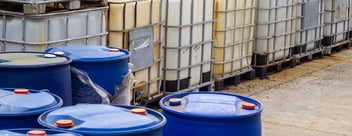
Whether it's a drum of liquid, a tote of wastewater, a tank of oily material, or a recurring industrial waste stream, the answer usually comes down to one thing: understanding exactly what the material is before it arrives at a treatment facility.
To someone generating the waste, profiling can sometimes feel like paperwork standing between them and a pickup. In reality, profiling is one of the most important steps in ensuring materials are handled safely, efficiently, and in compliance with environmental requirements.
It also helps avoid delays, rejected loads, and situations where a waste stream arrives at a facility that is not equipped to manage it.
If you've ever been asked for samples, analytical results, Safety Data Sheets, or detailed information about your process, there is a reason behind those requests.
What Is Waste Profiling?
A waste profile is a summary of information that helps a treatment, recycling, or disposal facility understand a material before it arrives onsite.
Depending on the waste stream, a profile may include:
- The source of the material
- The industrial process that generated it
- Physical characteristics
- Chemical characteristics
- Laboratory analysis
- Safety information
- Regulatory classifications
The goal is simple: make sure the facility knows what it is receiving and how it should be managed.
Why Can't a Facility Just Look at the Waste and Decide?
Industrial waste streams can be misleading.
Two totes may look identical but contain completely different materials. Likewise, wastewater that appears clear may contain contaminants that require specialized treatment.
Appearance alone rarely tells the full story.
Profiling helps facilities evaluate:
- Treatment requirements
- Compatibility with existing processes
- Potential safety concerns
- Regulatory considerations
- Transportation requirements
Without that information, there is no reliable way to determine whether a waste stream can be safely accepted.
Why Are Samples and Laboratory Testing Often Required?
Laboratory analysis provides objective information about the waste stream.
Testing may help determine:
- pH
- Metals concentrations
- Oil and grease content
- Solids content
- Chemical oxygen demand (COD)
- Biological oxygen demand (BOD)
- Other characteristics specific to the material
Not every waste stream requires the same analyses. The testing requested is usually tied to the treatment process being considered.
The purpose is not to create extra work. It is to ensure the material can be handled properly once it arrives.
Why Does a Waste Stream Need to Be Profiled If It Has Been Accepted Before?
Because waste streams change.
Even facilities with consistent operations can experience changes that affect wastewater or waste characteristics.
Examples include:
- New raw materials
- Different cleaning chemicals
- Process modifications
- Product reformulations
- Seasonal production changes
A waste stream that was accepted two years ago may not be identical today.
Periodic profile updates help confirm that historical information still reflects current conditions.
Why Was My Waste Rejected If It Was Approved Before?
This is often one of the most frustrating situations for generators, but it is more common than many people realize.
Several factors can affect whether a facility can accept a waste stream:
- Permit requirements may change
- Acceptance criteria may change
- Facility capacity may change
- Treatment processes may change
- New regulations may apply
- Analytical results may differ from previous profiles
A rejection does not necessarily mean there is a problem with the material. Often it means the circumstances surrounding acceptance have changed.
What Information Helps Speed Up the Process?
The more information available upfront, the faster a facility can usually evaluate a waste stream.
Helpful information often includes:
- A description of the generating process
- Safety Data Sheets (SDS)
- Recent laboratory results
- Estimated volume
- Container type
- Frequency of generation
When complete information is available early, there is less back-and-forth and fewer surprises later.
What If I Don't Know Exactly What's In the Waste?
This happens more often than people think.
Facilities sometimes encounter:
- Legacy materials
- Abandoned containers
- Unknown liquids
- Waste streams generated by discontinued processes
In these situations, additional testing is usually required before the material can be characterized and accepted.
The most important thing is transparency. Being upfront about what is known and unknown allows treatment facilities to determine the best path forward.
Why Does the Source of the Waste Matter?
The process that generated the material often provides important clues about its characteristics.
For example:
- A parts washer generates different wastewater than a cooling tower.
- A food processing facility generates different waste than a metal finishing operation.
- Tank cleaning projects produce different materials than routine manufacturing activities.
Understanding where the waste originated helps facilities evaluate treatment options and determine what additional information may be needed.
Is Waste Profiling Just About Compliance?
Compliance is certainly part of the equation, but it is far from the only reason profiling exists.
Accurate profiling helps:
- Protect employees
- Protect transportation personnel
- Protect treatment equipment
- Improve operational efficiency
- Reduce the likelihood of rejected loads
- Direct waste streams to appropriate treatment processes
In many cases, profiling prevents problems long before they occur.
How Often Should Waste Profiles Be Updated?
There is no single answer.
The appropriate timing depends on:
- The type of waste
- Regulatory requirements
- Facility policies
- Changes to the generating process
As a general rule, profiles should be reviewed whenever a significant process change occurs or when a treatment facility requests updated information.
Keeping profiles current helps avoid delays when materials are ready for shipment.
Why Does All of This Matter?
Most facilities only think about waste profiling when they need a load shipped.
Treatment facilities think about it every day.
The information collected during profiling influences safety, transportation, treatment, compliance, and operational planning. It helps determine where a material can go, how it can be managed, and whether it can be accepted at all.
While the process may sometimes feel like paperwork, the goal is straightforward: making sure the right material reaches the right facility under the right conditions.
When profiling is done correctly, the result is usually a smoother process for everyone involved.