 Containerized Waste Disposal FAQ for Drums, Totes, and Tanks
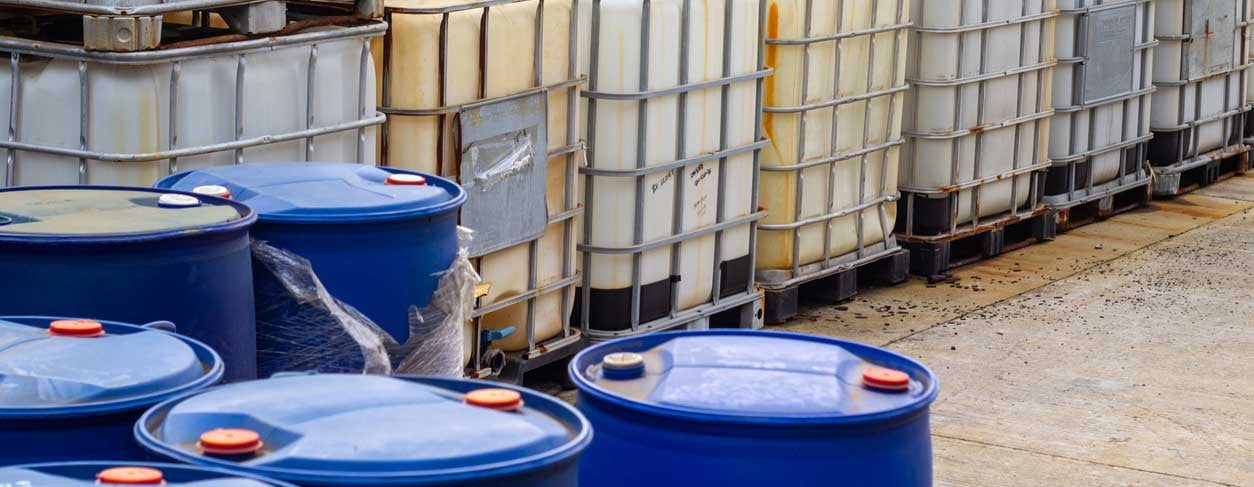
At some point, almost every facility ends up looking at a row of drums, a few half-full totes, or an old process tank and asking the same question:
What do we do with these?
It might be leftover raw material from a production change. It might be off-spec product that cannot ship. It might be wastewater or oily residue collected during maintenance. Sometimes it is material that has been sitting long enough that no one is entirely sure what it contains.
Containerized waste has a way of accumulating quietly until space runs tight or an inspection brings attention to it. When that happens, the next step is not always obvious.
What Counts as Containerized Waste?
Containerized waste simply means waste stored in discrete containers rather than in bulk tanks or pipelines.
Common examples include:
- 55-gallon drums
- IBC totes
- Portable tanks
- Gaylords or supersacks
- Small frac tanks
- Skids or pallets of pails
The contents vary widely. We routinely see:
- Non-hazardous industrial wastewater
- Oily liquids or sludge
- Off-spec chemical blends
- Expired raw materials
- Cleaning residues
- Production changeover materials
The container does not determine how the waste is handled. The material inside does.
Can Partially Filled Drums or Totes Be Disposed Of?
Yes. In fact, partially filled containers are one of the most common situations facilities face.
The important factor is characterization. A waste processor will need to understand:
- What the material is
- Whether it is hazardous or non-hazardous
- Whether it is compatible with other materials
- Approximate volume
If you have an SDS, process knowledge, or prior analytical data, that information helps. If not, sampling may be required before transportation.
What often slows things down is uncertainty about contents. When labels are faded or materials have been mixed, profiling becomes more involved. The earlier this is addressed, the smoother the process tends to be.
EPA overview of hazardous waste identification:
https://www.epa.gov/hw/learn-basics-hazardous-waste
What If I Do Not Know What Is in the Container?
This is more common than many facilities would like to admit.
When materials are unidentified, they cannot simply be shipped off. The waste must first be characterized through sampling and analysis. This ensures compatibility during transportation and proper treatment once received.
Unidentified containers should be segregated and handled carefully. Mixing unknown materials together can create safety and regulatory complications that are avoidable with a measured approach.
Can Old Process Tanks Be Emptied and Removed?
Yes, but tank removal is typically a two-step process.
First, any residual liquids or sludge inside the tank must be pumped out and managed appropriately. That material becomes containerized waste and must be profiled like any other waste stream.
Second, once empty and cleaned, the tank itself may be recycled as scrap metal or disposed of depending on condition and contamination.
Facilities often overlook the residual material left behind in tanks, which can complicate decommissioning if not addressed early.
How Long Can Drums or Totes Sit Onsite?
Storage limits depend on whether the material is hazardous or non-hazardous and how your site is permitted.
Hazardous waste is subject to federal and state time limits under RCRA, often 90 or 180 days depending on generator status. Non-hazardous waste does not follow the same federal clock, but storage must still comply with local permits, fire codes, and environmental requirements.
Allowing containers to accumulate indefinitely can increase risk, both operationally and during inspections.
EPA RCRA storage guidance:
https://www.epa.gov/rcra
What Happens After Containerized Waste Leaves the Site?
Once transported, containerized waste typically follows one of several paths:
- Treatment and discharge if non-hazardous wastewater
- Fuel blending for certain organic materials
- Recycling or reclamation where feasible
- Disposal if treatment or reuse is not possible
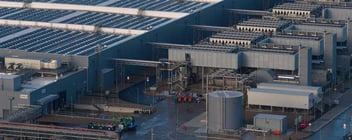
At Valicor, we process non-hazardous industrial wastewater and other compatible materials at centralized treatment facilities. The goal is to treat material so that water can be safely returned to the environment under regulated discharge permits.
Not all containerized waste is destined for disposal. In many cases, treatment or reuse is possible depending on composition.
What Information Is Needed Before Pickup?
Most waste processors will request:
- Description of the material
- Estimated quantity
- Container type and condition
- SDS or analytical data if available
- Photos of labels or containers
Having this information organized speeds up profiling and scheduling. It also reduces the likelihood of surprises during loading or receipt.
Why Do Drums and Totes Tend to Accumulate?
In many facilities, containerized waste builds up for predictable reasons:
- Production changes leave partial raw materials behind
- Maintenance generates intermittent waste
- Disposal gets postponed during busy periods
- Responsibility shifts between departments
Addressing containerized waste proactively, rather than reactively, reduces storage pressure and regulatory exposure.
Moving Forward
If you are looking at rows of drums or totes and wondering what to do next, you are not alone. Containerized waste is one of the most common operational challenges industrial facilities face.
The solution typically starts with characterization. Once the material is understood, options become clearer. Some materials can be treated and returned safely to the environment. Others require alternative handling or disposal pathways.
The key is not letting uncertainty stall action. With accurate information and a clear understanding of the waste stream, containerized materials can be managed in a controlled and compliant way.
Dealing with a buildup of totes?
Let's start a conversation and see how we can work to get your space clear again, and keep it that way.