Why December Can Still Bring Treatment Challenges
By the time December arrives, many industrial and manufacturing facilities are shifting into a different operational rhythm. Production lines may slow down, staffing schedules may change, and year end maintenance planning is often underway. It is an important time of year, but one thing that catches many facilities off guard is how these changes impact the wastewater that is generated on site.
Even if production decreases, wastewater volumes can rise in surprising ways. As a company that works closely with manufacturers, distribution centers, food and beverage processors, metal finishers, and chemical producers, we see this pattern every year. December brings its own set of wastewater challenges, and being aware of them can make compliance far easier.
Below are a few of the most common situations we see during the holiday season, along with practical considerations for staying ahead of regulatory and operational issues.
Shutdown cleaning often produces more wastewater than expected
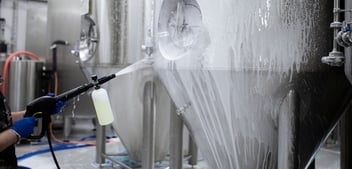
Many facilities complete their largest equipment cleanouts at the end of the calendar year. These cleanouts often generate significant wastewater, especially when cleaning is combined with annual or semiannual maintenance.
Common sources include:
- CIP and SIP system cleanouts
- Tank, pit, and sump cleanouts
- Line flushes before maintenance shutdowns
- Floor washdowns for food and beverage production areas
- Degreasing or solvent replacement in metalworking operations
These activities can generate large volumes of oily wastewater, solids bearing water, acidic or caustic wash water, and other process liquids. Facilities often underestimate how quickly these volumes add up. If a plant is already operating with reduced staffing, it becomes even more important to plan for proper collection, storage, and offsite processing so that no compliance issues occur.
Stormwater and runoff increase in many regions during December
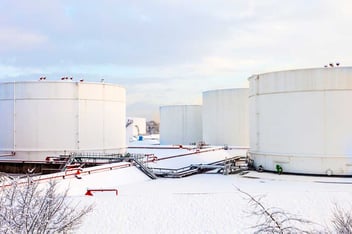
While summer tends to get the most attention for extreme weather, winter precipitation creates its own risks. Regions across the Midwest, Northeast, and Pacific Northwest commonly experience heavier rainfall in November and December. Even areas that see freezing temperatures can experience runoff spikes during brief warmups or rain on snow events.
NOAA publishes seasonal precipitation outlooks that help forecast these patterns, and the winter outlook is a helpful reference for EHS teams: https://www.noaa.gov/news-releases
When stormwater mixes with process areas, raw material handling yards, or equipment staging pads, it can become contaminated. Facilities may see unexpected increases in turbidity, oil sheen, suspended solids, or other indicators that fall under their stormwater permit. December stormwater sampling frequently catches facilities by surprise because runoff volumes often rise during periods when staffing levels are lower.
3. Wastewater storage space tightens during year end maintenance
If tanks are taken offline for repairs, inspections, or cleaning, available storage capacity almost always shrinks. This becomes a challenge when shutdown cleaning activities are happening at the same time.
It is common to see facilities temporarily rely on:
- Vacuum trucks for short term storage
- Portable frac tanks
- Drums, totes, or IBCs for segregated waste streams
- Staggered cleanout schedules to control peak volumes
Even small disruptions to onsite storage can create compliance risks if wastewater exceeds holding capacity. Planning ahead helps prevent overflows and last minute scrambling.
4. Regulatory obligations continue on normal timelines
Even when production slows down, reporting, sampling, and testing requirements remain in place. Many facilities find it difficult to meet end of year compliance deadlines when staff are out on vacation or split across multiple shifts.
Key obligations that often fall in December include:
- Final stormwater samples for the year
- Wastewater discharge monitoring reports
- Sampling required after major cleanouts
- Manifest management
- Profiling updates for wastes generated during shutdown cleaning
- TRI threshold reviews in preparation for January submissions
(reference: https://www.epa.gov/toxics-release-inventory-tri-program)
When shutdown activities introduce new waste streams or higher volumes, proper profiling is essential. It helps ensure the waste is routed to the correct treatment method and documented correctly for regulators.
5. How we support facilities during holiday transition periods
Although holiday operations look different from facility to facility, the challenges tend to be very similar. Many companies reach out in December not because something went wrong, but because they want to get ahead of higher wastewater volumes and avoid compliance issues.
During December we commonly assist facilities through services such as:
- Collection and processing of oily wastewater, sludge bearing water, coolant, line flush water, and cleaning liquids
- Short notice and scheduled vacuum truck support
- Temporary storage options for shutdown or maintenance periods
- Waste profiling, especially for waste streams that only appear during year end cleaning
- Treatment of non hazardous wastewater so facilities can stay compliant while operations shift
Our goal is to give facilities the flexibility they need during a month when schedules and workloads can change quickly.
Final thoughts
December is a transition point for many industrial plants, and that shift can have real impacts on wastewater generation. With the right planning, facilities can stay fully compliant, keep their end of year cleanup on schedule, and avoid capacity issues caused by sudden wastewater surges.
If you would like to talk through how your facility handles holiday season wastewater or plan ahead for shutdown cleaning, we are always glad to start a conversation.