Coal-to-Gas Power Plant Conversion Wastewater Treatment
Coal-to-natural-gas conversion projects can generate large, complex wastewater streams during construction, outage work, cleaning, flushing, tank cleanouts, and commissioning.
Valicor helps utilities, EPC firms, industrial contractors, and power plant operators manage non-hazardous wastewater generated during coal plant conversion, repowering, retirement, and transition projects. Our team supports wastewater profiling, transportation coordination, treatment, container management, and documentation through a broad network of treatment facilities and logistics resources.
Whether your project involves a single system flush or a multi-phase conversion with several wastewater streams, Valicor can help build a practical plan for collection, transportation, treatment, and closeout.
Wastewater Support for Coal-to-Natural-Gas Conversion Projects
When a coal-fired power plant is converted to natural gas, wastewater can come from many parts of the project. Some streams are planned. Others appear during cleaning, demolition, flushing, rainfall, equipment draining, or tank and sump work.
Valicor supports wastewater management for power generation projects including:
- Coal-to-natural-gas conversion projects
- Coal plant repowering projects
- Fuel-switching projects
- Boiler and burner retrofit projects
- Power plant outage work
- Power plant decommissioning and partial retirement
- Tank, sump, trench, and pit cleanouts
- System flushing and hydrostatic testing
- Equipment washdowns
- Construction contact water
- Oily wastewater from maintenance and operating areas
- Containerized wastewater and related non-hazardous industrial waste
- Flue gas desulfurization system drain-down water
These projects often involve large volumes, variable water chemistry, short project windows, and multiple contractors working on the same site. Valicor helps project teams manage those variables before wastewater becomes a bottleneck.
Wastewater Streams Commonly Generated During Power Plant Conversion Projects
Every power plant conversion project is different. The wastewater profile depends on the original plant design, conversion scope, prior operations, cleaning methods, chemicals used, project sequencing, and site conditions.
Valicor can evaluate and manage a range of non-hazardous industrial wastewater streams from coal-to-gas conversion and power plant transition work.
System flush water
System flushing may be required before modified equipment is returned to service or before new systems are commissioned. Flush water can vary depending on the piping, equipment, cleaning agents, corrosion products, oils, solids, and residues contacted during the flush.
System flush water may come from:
- Modified process systems
- Cooling water systems
- Boiler-related systems
- Piping runs
- Heat exchangers
- Tanks and vessels
- Chemical feed systems
- New or retrofitted equipment
Because flush water can be generated quickly and in large volumes, planning for storage, sampling, transportation, and treatment is important before the flush begins.
Oily wastewater
Power plants often generate oily wastewater from maintenance areas, turbine areas, drains, sumps, oil-water separators, transformer containment, fuel handling support systems, and equipment cleaning.
During a conversion or outage, oily wastewater volumes may increase because equipment is being opened, drained, cleaned, relocated, or removed.
Valicor regularly supports oily wastewater treatment and can help determine the appropriate receiving facility based on the waste profile, volume, and project location.
Hydrostatic test water
New or modified piping and systems may require hydrostatic testing. Depending on the source water, additives, contact surfaces, and discharge limitations, hydrostatic test water may need to be collected, profiled, transported, and treated.
Hydrostatic test water planning is especially important when water contacts industrial equipment, legacy piping, chemical systems, or surfaces with potential contamination.
Boiler, cooling, and process-related wastewater
Depending on the project scope, wastewater may be generated from boiler-related systems, cooling water systems, chemical feed areas, blowdown-related systems, or process water equipment.
These streams may have different treatment needs depending on pH, solids, dissolved constituents, additives, metals, oil and grease, and other industrial contaminants.
Coal yard and ash-area contact water
Some conversion, retirement, or repowering projects involve changes to coal handling areas, ash-related infrastructure, ponds, conveyors, storage areas, or containment systems.
Water from these areas may contain coal fines, ash-related solids, metals, suspended solids, or other constituents that require proper evaluation before treatment or disposal.
Equipment wash water
Cleaning and washdown work can generate wastewater from equipment, floors, containment areas, sumps, trenches, ductwork, tanks, and industrial surfaces.
This water may contain:
- Oil and grease
- Suspended solids
- Coal fines
- Ash-related residue
- Metals
- Cleaning agents
- Treatment chemicals
- Scale or corrosion products
- High or low pH
Wash water is often one of the most variable streams on a conversion project because it depends on what is being cleaned and what residues are disturbed.
Tank and sump cleanout water
Tanks, pits, trenches, vaults, sumps, and containment areas may need to be drained or cleaned as part of the conversion project. These areas can contain accumulated sediment, sludge, oily residue, solids, or process water from years of plant operation.
Tank and sump cleanout wastewater may require planning for:
- Vacuum truck access
- Solids content
- Pumpability
- Temporary storage
- Analytical testing
- Container staging
- Multiple pickups
- Treatment facility acceptance
Construction contact water
Rainwater or water used during construction can become industrial wastewater if it contacts contaminated surfaces, active work areas, containment zones, equipment, coal residue, ash-related areas, oils, chemicals, or exposed industrial materials.
Construction contact water can be difficult to predict because it may depend on weather, site drainage, contractor activity, and how much material is exposed during the work.
Containerized wastewater and related project waste
Not every wastewater stream is moved by tanker. Some projects generate smaller or more concentrated waste streams that are collected in drums, totes, roll-offs, vacuum boxes, or other containers.
Valicor can support containerized waste management for non-hazardous industrial wastewater and related project materials, helping contractors keep work areas organized and pickups scheduled.
Sustainability & Resource Recovery for Data Centers
Valicor supports data centers in improving environmental performance through:
- Oil recovery and reuse
- Solids recovery
- Water reuse and recycling
- Waste minimization strategies
We help companies align with corporate sustainability goals, ESG reporting, and circular-economy initiatives.
How Valicor Supports Coal-to-Gas Conversion Wastewater Projects
Valicor helps power plant project teams move from a rough wastewater assumption to a practical field-ready plan.
1. Early project planning
The best time to involve Valicor is before wastewater generation begins. Early planning helps identify expected streams, sampling needs, likely volumes, transportation requirements, receiving facility options, container needs, and schedule risks.
Valicor can support planning during:
- Pre-bid estimating
- RFP response development
- Project engineering
- Contractor mobilization
- Outage planning
- Environmental planning
- Construction sequencing
- Startup and commissioning planning
For large conversion projects, early planning can help prevent wastewater from becoming a critical path issue.
2. Waste profiling and characterization
Before wastewater can be accepted for treatment, it must be properly characterized. Valicor helps coordinate the information needed to evaluate whether a waste stream can be received at one of our treatment facilities.
This may include:
- Source of the wastewater
- Process or system that generated the material
- Estimated volume
- Expected pickup frequency
- Known contaminants
- SDS information for cleaning chemicals or additives
- Analytical data
- pH
- Oil and grease
- Total suspended solids
- Total dissolved solids
- Metals
- COD/BOD
- Solids content
- PFAS considerations, where applicable
- Any site-specific regulatory or permit requirements
By reviewing this information early, Valicor can help identify treatment options and reduce uncertainty before the work begins.
3. Transportation and logistics coordination
Coal-to-gas conversion projects often require careful transportation planning. Wastewater may need to be moved by vacuum truck, tanker, tote, drum, roll-off, or other container depending on volume, access, material characteristics, and project timing.
Valicor helps coordinate logistics for wastewater movement, including:
- Vacuum truck service
- Tanker transportation
- Containerized waste pickups
- Recurring pickup schedules
- Surge volume planning
- Facility receiving coordination
- Backup options when project conditions change
Transportation planning is especially important when wastewater is generated during a short outage window or when the site has limited storage capacity.
4. Treatment through Valicor’s facility network
Valicor operates a network of centralized wastewater treatment facilities that can manage a range of non-hazardous industrial wastewater streams.
Depending on the waste profile and facility capabilities, treatment may include:
- Physical-chemical treatment
- Oil-water separation
- Solids removal
- pH adjustment
- Biological treatment
- Pretreatment before final discharge
- Other facility-specific treatment processes
Because conversion project wastewater can vary from one stream to another, matching the material to the right receiving facility is an important part of the plan.
5. Container and on-site waste management support
Project sites may need temporary storage, staged collection, or containerized waste handling to keep work moving. Valicor can help support containerized wastewater and related non-hazardous industrial waste streams.
This may include:
- Drums
- Totes
- Vacuum boxes
- Roll-offs
- Tankers
- Frac tank coordination
- Waste labeling support
- Pickup scheduling
- Multi-stream project coordination
6. Documentation and project closeout
At the end of the project, plant owners, utilities, EPCs, and contractors need documentation showing that wastewater was properly transported, treated, and managed.
Valicor provides documentation to support:
- Environmental records
- Internal compliance review
- Project closeout
- Contractor documentation packages
- Waste tracking
- Disposal and treatment records
Who Valicor Works With
Coal-to-gas conversion projects often involve many stakeholders. Valicor supports the organizations responsible for planning, executing, and documenting wastewater management on these projects.
We work with:
- Utility companies
- Independent power producers
- EPC firms
- General contractors
- Mechanical contractors
- Industrial cleaning contractors
- Environmental contractors
- Decommissioning contractors
- Pipeline and gas infrastructure contractors
- Outage and turnaround contractors
- Plant environmental managers
- Plant operations teams
- Procurement teams
- Engineering teams
- Construction managers
Whether you are preparing a bid, managing a site, performing cleaning work, or responsible for environmental compliance, Valicor can help build the wastewater plan around the realities of the job.

When to Involve Valicor
The best time to involve a wastewater treatment partner is before the first major flush, washdown, cleanout, or outage-related wastewater event.
Pre-bid and estimating
If your team is preparing an RFP response or project estimate, Valicor can help identify likely wastewater streams, treatment options, transportation needs, container requirements, and potential cost drivers.
This can be especially useful when the RFP mentions flushing, cleaning, hydrostatic testing, tank cleanouts, sump work, or wastewater disposal but does not fully define the expected volume or chemistry.
Engineering and project planning
During planning, Valicor can help identify which activities may generate wastewater and what information will be needed for profiling and acceptance.
This can help project teams avoid last-minute questions around sampling, facility approval, transportation, and disposal documentation.
Mobilization
Before site work begins, Valicor can help coordinate waste profiles, containers, transportation schedules, facility acceptance, and communication processes.
Active construction or outage work
During active work, Valicor can help keep wastewater moving so tanks, containers, sumps, and collection points do not become bottlenecks.
Startup, commissioning, and closeout
At the end of the project, Valicor can support final flush water, cleaning water, container pickups, documentation, and treatment records.
When to Involve Valicor
The best time to involve a wastewater treatment partner is before the first major flush, washdown, cleanout, or outage-related wastewater event.
Pre-bid and estimating
If your team is preparing an RFP response or project estimate, Valicor can help identify likely wastewater streams, treatment options, transportation needs, container requirements, and potential cost drivers.
This can be especially useful when the RFP mentions flushing, cleaning, hydrostatic testing, tank cleanouts, sump work, or wastewater disposal but does not fully define the expected volume or chemistry.
Engineering and project planning
During planning, Valicor can help identify which activities may generate wastewater and what information will be needed for profiling and acceptance.
This can help project teams avoid last-minute questions around sampling, facility approval, transportation, and disposal documentation.
Mobilization
Before site work begins, Valicor can help coordinate waste profiles, containers, transportation schedules, facility acceptance, and communication processes.
Active construction or outage work
During active work, Valicor can help keep wastewater moving so tanks, containers, sumps, and collection points do not become bottlenecks.
Startup, commissioning, and closeout
At the end of the project, Valicor can support final flush water, cleaning water, container pickups, documentation, and treatment records.
Why Utilities and Contractors Choose Valicor
Coal-to-gas conversion projects require more than a one-time wastewater pickup. They require planning, logistics, treatment capacity, documentation, and the ability to respond when project conditions change.
Valicor brings:
- A nationwide network of treatment facilities
- Experience with non-hazardous industrial wastewater
- Support for oily water, wash water, process water, and containerized waste
- Transportation coordination through Valicor’s fleet and logistics network
- Facility-level technical review before waste is received
- Support for utilities, EPCs, contractors, and plant teams
- Documentation for project closeout and environmental records
- A single point of accountability for complex wastewater programs
Our goal is to help power plant project teams keep work moving while ensuring wastewater is handled properly from pickup through treatment.
Build Wastewater Management Into the Project Plan
Wastewater can become a schedule issue if it is addressed too late.
Tanks fill. Flushes generate more water than expected. Analytical requirements take time. Transportation windows get tight. Receiving facilities need to review profiles before accepting material.
By involving Valicor early, project teams can reduce uncertainty and create a practical plan for wastewater collection, transportation, treatment, and documentation.
Whether you are bidding a coal-to-gas conversion project, planning an outage, managing an active construction site, or preparing for system flushing, Valicor can help.
Common Wastewater Planning Questions for Coal-to-Gas Projects
How much wastewater will a coal-to-gas conversion generate?
Wastewater volumes vary widely depending on the scope of work, plant size, cleaning methods, system flushing requirements, rainfall, tank and sump conditions, and whether coal handling or ash-related areas are part of the project.
Some projects generate intermittent loads. Others generate large wastewater volumes over a short period. For planning, it is helpful to estimate wastewater by activity rather than only estimating total project volume.
Key activities to evaluate include:
- System flushing
- Hydrostatic testing
- Equipment washing
- Tank cleanouts
- Sump and pit cleanouts
- Boiler-related work
- Cooling system work
- Construction contact water
- Stormwater from active work areas
Can coal plant conversion wastewater go to a municipal treatment plant?
Sometimes, but not always. Many industrial wastewater streams require review before discharge, and some may need pretreatment or off-site treatment depending on contaminants, solids, oil and grease, pH, metals, chemical additives, or permit limitations.
Valicor helps evaluate off-site treatment options when direct discharge is not appropriate, available, or permitted.
What contaminants are commonly found in conversion wastewater?
Potential contaminants may include:
- Oil and grease
- Suspended solids
- Coal fines
- Ash-related residue (sludge and transport water)
- Metals
- pH extremes
- Treatment chemicals
- Cleaning agents
- COD/BOD
- Dissolved solids
- Scale or corrosion products
- Other industrial constituents
- Flue gas desulfurization system drain-down
- FDG wastewater
- Combustion residual leachate
The actual profile depends on the source area, system, cleaning process, and materials contacted.
Is coal-to-gas conversion wastewater the same as coal ash pond wastewater?
Not necessarily. Coal-to-gas conversion wastewater may include equipment wash water, system flush water, construction contact water, tank cleanout water, oily wastewater, hydrostatic test water, or water generated during outage and commissioning work.
Coal ash pond wastewater is a more specific waste stream with its own regulatory, chemical, and project considerations. Some power plant transition projects may involve ash-related areas, but not all conversion wastewater is ash pond wastewater.
Can Valicor support projects before the wastewater is generated?
Yes. Valicor can support projects during the pre-bid, planning, engineering, mobilization, construction, outage, commissioning, and closeout phases.
Early involvement can help identify waste streams, estimate logistics needs, prepare profiles, coordinate sampling, and reduce the risk of project delays.
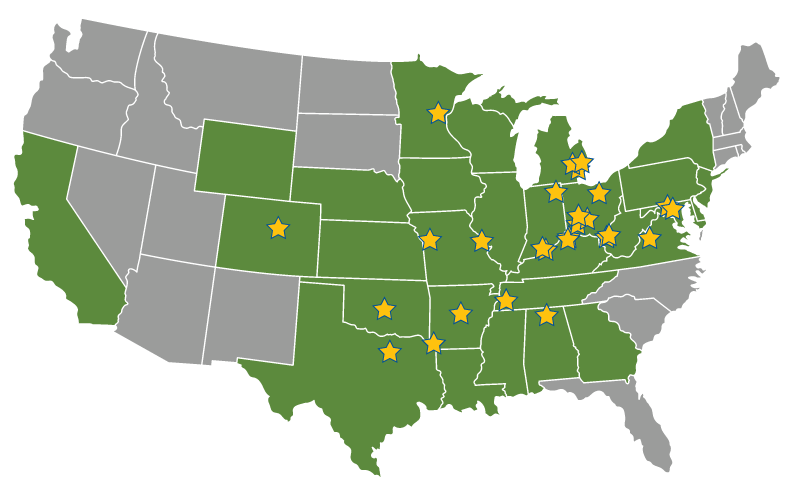
Nationwide Wastewater Support for Power Plant Conversion Projects
Valicor supports power plant conversion, repowering, outage, and decommissioning projects across the United States through a broad network of treatment facilities, transportation resources, and regional environmental service teams.
For coal-to-gas conversion projects, location matters. Wastewater may need to be transported from the project site to an approved treatment facility, and the right solution depends on the waste profile, volume, project schedule, distance to receiving facilities, and available transportation options.
Valicor can help project teams evaluate wastewater treatment and logistics options for projects in major power generation regions, including:
- Midwest
- Ohio River Valley
- Appalachian region
- Mid-Atlantic
- Southeast
- Gulf Coast
- Central U.S.
- Great Lakes region
- Texas and surrounding markets
- Mountain West and Western U.S. projects, depending on the waste stream and logistics needs
Whether the project involves one wastewater stream or a multi-phase conversion with flush water, tank cleanouts, oily wastewater, construction contact water, and containerized waste, Valicor can help determine the most practical path for profiling, transportation, treatment, and documentation.
FAQ
What is coal-to-gas conversion wastewater?
Coal-to-gas conversion wastewater is wastewater generated when a coal-fired power plant is modified, repowered, or converted to operate on natural gas. It may come from equipment cleaning, system flushing, tank and sump cleanouts, construction activity, hydrostatic testing, washdowns, or contact water from industrial areas.
What wastewater streams are generated during a coal-fired power plant conversion?
Common wastewater streams may include oily water, equipment wash water, system flush water, hydrostatic test water, tank cleanout water, sump cleanout water, construction contact water, stormwater from active work areas, boiler-related wastewater, cooling system wastewater, and water generated during cleaning or commissioning activities.
Who handles wastewater from coal plant conversion projects?
Wastewater from coal plant conversion projects may be handled by industrial wastewater treatment companies, environmental service providers, vacuum truck providers, utility contractors, EPC firms, or specialized waste management partners. Valicor provides treatment, transportation coordination, container management, and documentation for non-hazardous industrial wastewater generated during these projects.
Why is wastewater treatment important during a coal-to-natural-gas conversion?
Wastewater treatment is important because conversion activities can generate large volumes of water containing oil, solids, coal residue, metals, cleaning chemicals, pH issues, or other industrial contaminants. Proper planning helps prevent project delays, storage problems, discharge issues, and documentation gaps.
Can Valicor accept wastewater from power plant conversion projects?
Valicor can evaluate non-hazardous industrial wastewater from power plant conversion projects for acceptance at its treatment facilities. Acceptance depends on the waste profile, analytical data, volume, location, timing, and facility capabilities.
When should a contractor contact Valicor about a coal-to-gas conversion project?
Contractors should contact Valicor during the estimating, pre-bid, planning, or mobilization phase. Early involvement helps identify likely waste streams, sampling needs, transportation requirements, temporary storage needs, treatment options, and project schedule risks.
Does Valicor support wastewater from power plant outages?
Yes. Valicor supports wastewater generated during power plant outages, maintenance events, equipment cleaning, tank cleanouts, sump cleanouts, system flushing, hydrostatic testing, and related industrial projects.
Is coal-to-gas conversion wastewater hazardous?
Not all coal-to-gas conversion wastewater is hazardous. Many streams are non-hazardous industrial wastewater, but each waste stream must be evaluated based on its source, contaminants, analytical data, and applicable regulations. Valicor helps review non-hazardous wastewater streams for treatment options.
Can Valicor support coal-to-gas conversion projects nationwide?
Yes. Valicor supports industrial wastewater projects through a broad network of treatment facilities, transportation resources, and regional service teams. For coal-to-gas conversion and power plant repowering projects, receiving options depend on the project location, wastewater profile, volume, timing, and facility capabilities.
Ready to Get Started?
Let’s design a waste management plan that keeps your semiconductor or electronics operation compliant, efficient, and sustainable.
Contact Us Today
Connect with our team to request profiling, schedule service, or learn more about our nationwide capabilities.

Since 2024, Valicor has been a participant and supporter of the United Nations Global Compact, demonstrating our commitment to sustainable development.
Interested in learning more about Valicor's commitment to sustainability?
Download Our Complete 2025 Sustainability Report
Ready to Talk with Us?
Start a conversation with us today!