Planned holiday shutdowns and reduced staffing periods are common across manufacturing, processing, and industrial facilities. While these slowdowns are often necessary for maintenance, inventory control, or workforce scheduling, they can introduce risk when wastewater management is not addressed with the same level of planning as core operations.
Wastewater obligations do not pause when production slows. Storage limits, permit conditions, transportation constraints, and acceptance criteria remain in effect, and in some cases become more challenging to manage during year-end periods. Facilities that plan ahead are better positioned to avoid compliance issues, operational disruptions, and last-minute decisions during a time when staffing and outlet availability may be limited.
How do holiday shutdowns and reduced staffing affect wastewater compliance obligations?
From a regulatory standpoint, wastewater requirements remain unchanged during holiday periods. Permits governing storage, discharge, and offsite shipment continue to apply, regardless of whether a facility is fully operational or temporarily idled.
Reduced staffing can make it more difficult to monitor tank levels, identify changes in wastewater characteristics, or respond quickly to issues such as leaks, overflows, or unplanned waste generation. In addition, reporting deadlines, sampling schedules, and inspection requirements often fall near year-end, creating compliance risk if responsibilities are unclear or deferred.
EPA overview of wastewater permitting and compliance obligations: https://www.epa.gov/npdes
What wastewater streams are typically generated during shutdown and maintenance periods?
Although production may slow or stop, wastewater generation often continues during shutdowns due to maintenance and housekeeping activities. Common sources include:
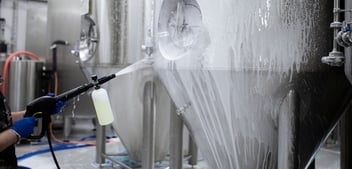
- Equipment washdowns and system cleaning
- CIP processes in food, beverage, and pharmaceutical facilities
- Draining of tanks, sumps, and process lines
- Boiler blowdown and cooling system maintenance
- Stormwater collected in secondary containment areas
These waste streams may differ significantly from normal process wastewater. They are often generated in short timeframes, may be more concentrated, and may include residual chemicals or oils that affect acceptance criteria at treatment or processing facilities.
What operational and compliance risks increase when wastewater oversight is reduced?
When staffing levels are lower, the margin for error narrows. Common risks observed during holiday shutdowns include:
- Storage capacity being exceeded due to delayed monitoring
- Wastewater characteristics drifting outside approved profiles
- Missed sampling, inspections, or documentation requirements
- Limited availability of transportation or treatment capacity
In addition, institutional knowledge risk increases when only a small number of personnel are familiar with wastewater procedures. If those individuals are unavailable, decision-making can be delayed at critical moments.
What storage considerations should facilities evaluate ahead of a planned shutdown?
Storage planning is a critical component of year-end wastewater management. Facilities should evaluate current and projected volumes, taking into account wastewater generated by maintenance and cleaning activities.
Key considerations include:
- Available tank capacity and anticipated inflows
- Secondary containment condition and freeboard
- Permit limits related to storage duration or volume
- Physical condition of tanks, valves, and transfer systems
Conducting inspections before staffing is reduced helps identify issues that could escalate during a shutdown period.
EPA SPCC guidance for storage and containment planning: https://www.epa.gov/oil-spills-prevention-and-preparedness-regulations
Why is it important to review waste profiles and approvals before year-end?
Waste profiles and analytical data often expire at the end of the calendar year. Facilities should confirm that profiles remain current and accurately reflect wastewater generated during shutdown activities.
Changes in waste composition, even temporary ones, can affect acceptance at processing or treatment facilities. Reviewing profiles in advance helps prevent rejected loads, delays, or emergency storage situations when staffing and transportation options are limited.
How can holiday schedules and winter conditions impact wastewater transportation?
Transportation constraints are more common during the holiday season. Carrier availability may be reduced due to driver schedules, and winter weather can disrupt planned shipments. Facilities that rely on just-in-time transportation may find that lead times increase during late December and early January.
Confirming shipment schedules early and building additional buffer time into planning helps reduce the risk of wastewater accumulating onsite beyond planned levels.
What planning steps help facilities manage unplanned wastewater issues during shutdowns?
Effective planning does not require extensive changes, but it does require clarity. Facilities benefit from:
- Assigning clear responsibility for wastewater oversight during shutdowns
- Documenting escalation procedures for unexpected waste generation
- Confirming after-hours contacts for waste service partners
- Ensuring emergency response and spill procedures are current and accessible
These steps support continuity and reduce reliance on ad hoc decision-making during periods of reduced staffing.
How does Valicor support facilities during seasonal shutdowns and reduced operations?
We work with industrial facilities nationwide to help manage wastewater across normal operations and seasonal transitions. During holiday periods, that support often includes advance planning, waste profiling review, and scheduling coordination to ensure wastewater can be managed safely and in compliance, even when staffing and outlet availability fluctuate.
The objective is to help facilities enter shutdown periods with a clear plan and exit them without compliance issues or operational delays.
Holiday shutdowns are a predictable part of many industrial operating cycles, but wastewater-related disruptions do not have to be. Facilities that evaluate storage, profiles, transportation, and internal responsibilities ahead of time are better positioned to manage risk and maintain compliance through year-end and into the new year. If you would like to discuss planning considerations specific to your facility, our team is available to start that conversation.